

Exploring the repercussions of inadequate corporate health and wellness management, this introduction sets the stage for a detailed examination of how these factors affect businesses and their employees.
Providing insights into the financial and productivity implications, this overview aims to shed light on the importance of prioritizing health and wellness in corporate settings.
The Importance of Corporate Health and Wellness Programs
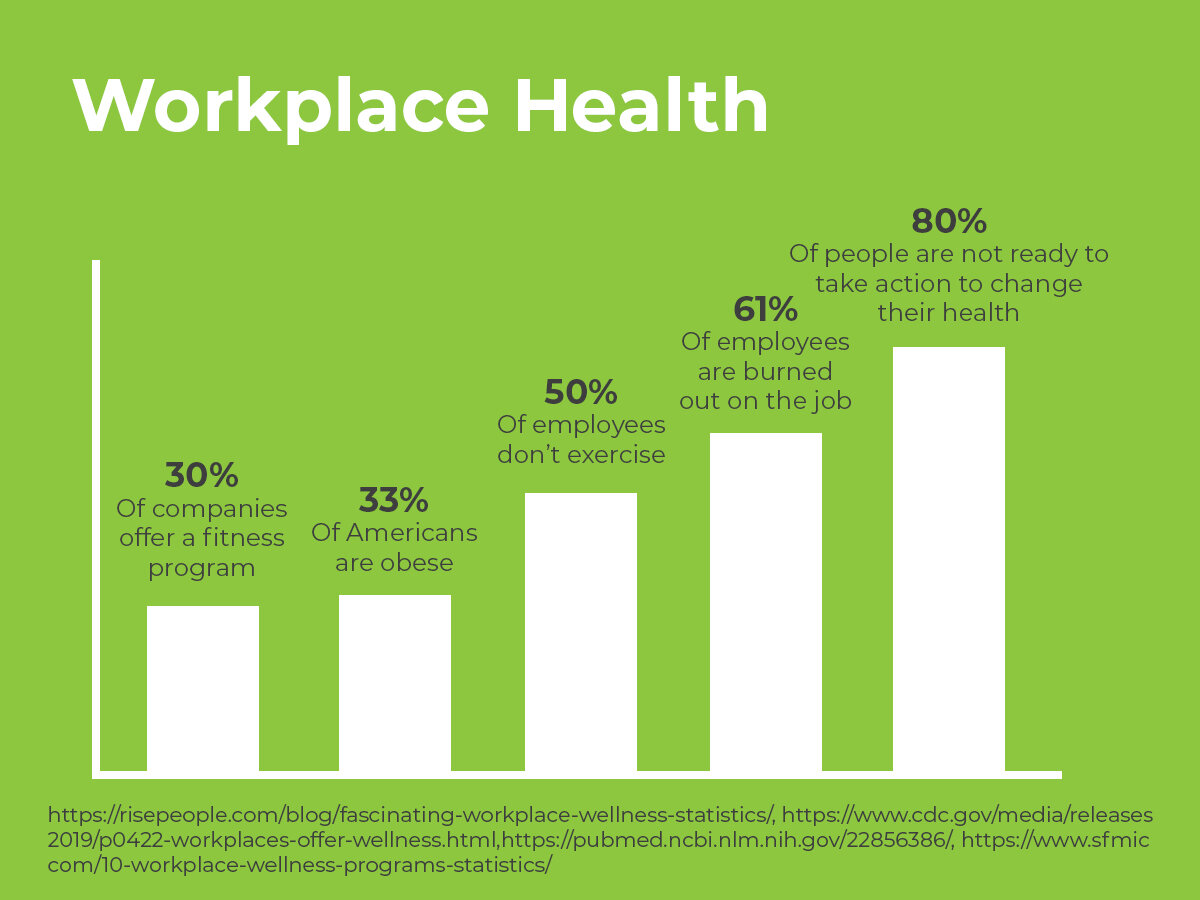 Promoting health and wellness in the workplace is crucial for maintaining a productive and engaged workforce. By implementing corporate health programs, companies can create a culture that values the well-being of their employees, leading to numerous benefits for both the individuals and the organization as a whole.
Benefits of Corporate Health Programs
- Improved Employee Morale and Engagement: Providing opportunities for employees to focus on their health can boost morale and increase job satisfaction, leading to higher levels of engagement.
- Reduced Absenteeism: When employees are healthy and well, they are less likely to miss work due to illness, reducing absenteeism rates and ensuring continuity in operations.
- Enhanced Productivity: Healthy employees are more productive, as they have higher energy levels, improved concentration, and better overall performance in their roles.
- Attracting and Retaining Talent: Companies that prioritize employee health and well-being are seen as more attractive employers, helping to recruit top talent and retain valuable employees.
Role of Preventative Health Measures
Corporate health programs play a vital role in implementing preventative health measures that can help reduce healthcare costs for corporations in the long run. By promoting healthy lifestyle choices, offering wellness initiatives, and providing access to medical screenings, companies can prevent costly health issues and chronic conditions among their employees. This proactive approach not only benefits the individuals by improving their quality of life but also saves the organization money by lowering healthcare expenses associated with treating preventable illnesses.Impact of Poor Corporate Health Management
Neglecting employee health and wellness in a corporate setting can have severe consequences that impact both employees and the company as a whole. Poor health management can lead to decreased productivity, increased absenteeism, and significant financial implications.Decreased Productivity
Poor corporate health management can result in decreased productivity among employees. When employees are not feeling their best physically and mentally, they are less likely to perform at their optimal level. This can lead to lower efficiency, missed deadlines, and overall reduced output in the workplace.Increased Absenteeism
Neglecting employee health and wellness can also lead to increased absenteeism. Employees who are dealing with health issues or not prioritizing their well-being are more likely to call in sick or take time off work. This can disrupt workflow, affect team dynamics, and create additional burden on other employees to pick up the slack.Financial Implications
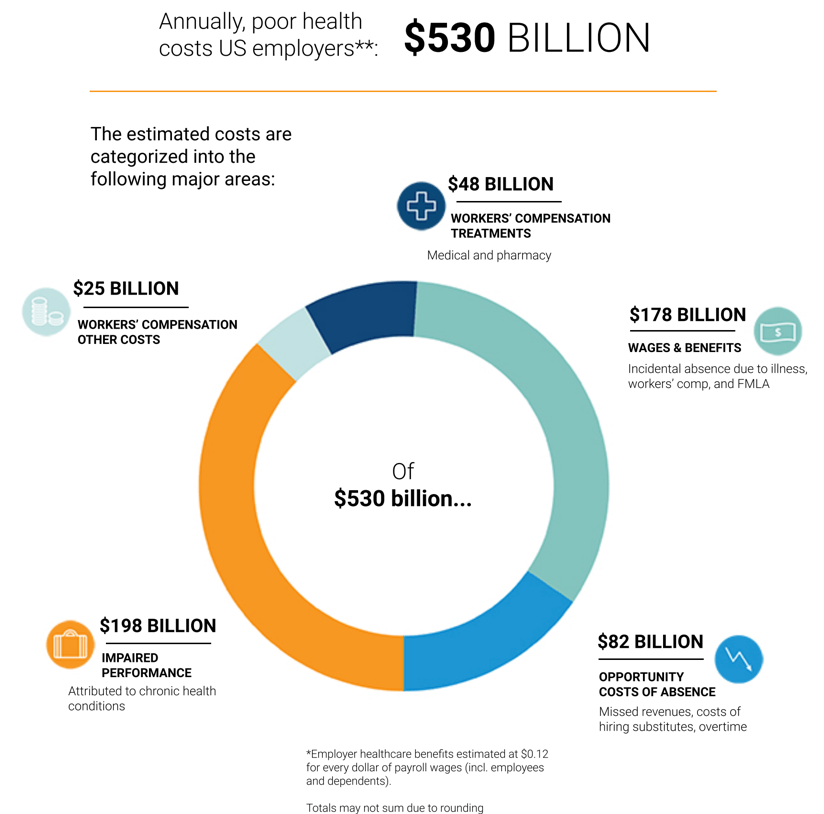
Ignoring health issues among employees can have significant financial implications for a company. Increased absenteeism and decreased productivity can result in higher operational costs, lower profits, and missed business opportunities. Additionally, healthcare costs may rise due to the need for more medical interventions and treatments for employees who are not well.Cost-Benefit Analysis of Corporate Wellness Programs
Implementing a corporate wellness program involves certain costs, but the potential savings in healthcare expenses and the long-term financial benefits for the company can outweigh these initial investments. Let's delve into the cost-benefit analysis of corporate wellness programs.Costs vs. Savings
- Costs: The costs associated with implementing a corporate wellness program include setting up wellness initiatives, providing resources like fitness equipment, hiring wellness professionals, and organizing wellness events.
- Savings: By investing in employee health, companies can reduce healthcare costs related to chronic diseases, absenteeism, and presenteeism. This leads to lower insurance premiums and healthcare expenses over time.
Long-Term Financial Benefits
- Improved Productivity: Healthy employees are more productive, leading to increased output and efficiency in the workplace.
- Reduced Turnover: Wellness programs can enhance employee morale and job satisfaction, reducing turnover rates and the associated costs of hiring and training new employees.
- Enhanced Reputation: Companies with robust wellness programs are seen as caring for their employees' well-being, which can attract top talent and improve the company's reputation.
Return on Investment (ROI)
- A study by the International Foundation of Employee Benefit Plans found that for every dollar invested in wellness programs, companies can expect an average return of $3.27 in reduced healthcare costs and $2.73 in lower absenteeism expenses.
- Companies that prioritize employee health and well-being can experience a positive ROI not just in financial terms but also in employee engagement, satisfaction, and overall company culture.
Strategies for Effective Corporate Health and Wellness Management
Effective corporate health and wellness management is crucial for the overall well-being of employees and the success of a company. By implementing best practices and innovative initiatives, organizations can create a positive impact on employee health and performance.Best Practices for Designing and Implementing a Successful Health and Wellness Program
- Start by conducting a needs assessment to understand the specific health needs and interests of employees.
- Engage employees in the program design process to ensure relevance and participation.
- Offer a variety of wellness activities and initiatives to cater to different preferences and lifestyles.
- Provide incentives and rewards to motivate employees to engage in the program.
- Evaluate the program regularly and make adjustments based on feedback and outcomes.
Examples of Innovative Wellness Initiatives
- Implementing flexible work arrangements to promote work-life balance and reduce stress.
- Introducing mindfulness and meditation sessions to improve mental well-being and focus.
- Offering healthy food options in the workplace and organizing nutrition workshops.
- Providing fitness challenges and opportunities for physical activity during work hours.
Measuring the Effectiveness of Corporate Wellness Programs
- Track key metrics such as participation rates, health outcomes, absenteeism, and productivity levels.
- Conduct employee surveys and focus groups to gather feedback on the program's impact and areas for improvement.
- Compare data before and after implementing the program to assess changes in employee health and well-being.
- Use benchmarking to compare your program's effectiveness with industry standards and best practices.
Legal and Ethical Considerations in Corporate Health Management
 In the realm of corporate health management, employers have legal obligations and responsibilities to ensure a safe and healthy work environment for their employees. This includes providing a workplace that is free from hazards, implementing safety protocols, and promoting overall well-being through health and wellness programs.
Legal Obligations of Employers
- Employers are required to comply with occupational health and safety regulations set forth by government agencies.
- They must provide training on safety procedures, equipment usage, and emergency protocols to mitigate workplace risks.
- Employers are responsible for addressing any health and safety concerns raised by employees and taking appropriate action to resolve them.
Ethical Considerations in Wellness Programs
- Employee privacy must be respected when collecting and using health data for wellness programs.
- Obtaining informed consent from employees before participation in any health or wellness initiatives is crucial to uphold ethical standards.
- Employees should have the autonomy to choose their level of participation in wellness programs without facing any repercussions.
Navigating Legal and Ethical Challenges
- Employers should establish clear policies and guidelines regarding health and wellness initiatives to ensure transparency and fairness.
- Consulting legal experts and ethics professionals can provide valuable insights on navigating complex legal and ethical issues in corporate health management.
- Regularly reviewing and updating policies to align with evolving laws and ethical standards is essential to maintain compliance and integrity.
Closure
In conclusion, the economic impact of poor corporate health and wellness management is undeniable. By implementing effective strategies and programs, companies can not only improve employee well-being but also boost their bottom line.
Question Bank
What are the potential benefits of corporate health programs?
Corporate health programs can lead to improved employee morale, reduced absenteeism, and lower healthcare costs for the company.
How can companies measure the effectiveness of their wellness initiatives?
Companies can track metrics such as employee engagement, health outcomes, and productivity levels to gauge the impact of their wellness programs.
What legal obligations do employers have in regards to employee health and wellness?
Employers are required to provide a safe work environment, ensure compliance with health regulations, and protect employee privacy when implementing wellness programs.

