

As Bridging the Gap: Mywellbeing Strategies for Blue-Collar vs. White-Collar takes center stage, this opening passage beckons readers with a crafted world of good knowledge, ensuring an absorbing and distinctly original reading experience.
The second paragraph provides descriptive and clear information about the topic
Blue-collar vs. White-collar Work Environments
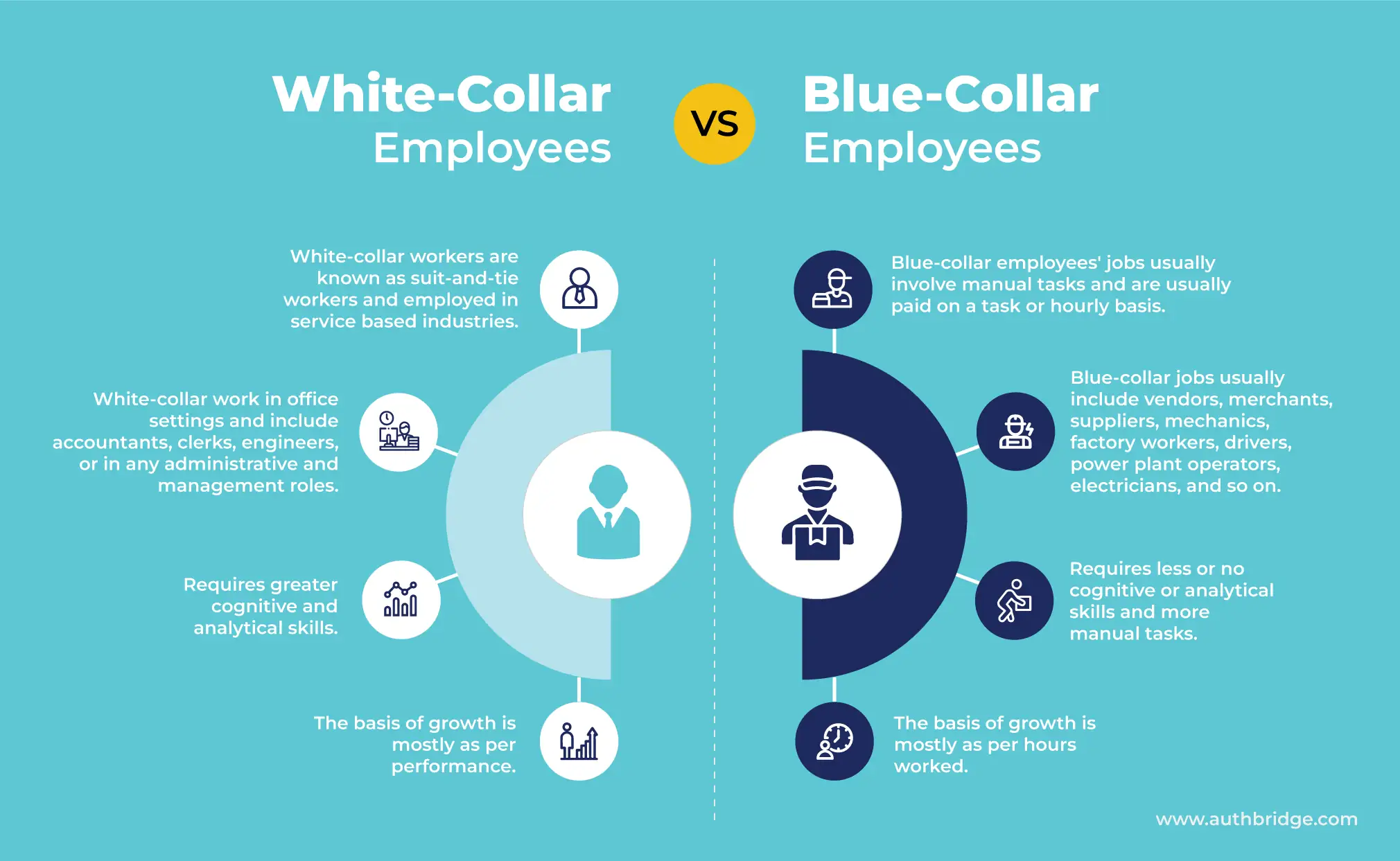
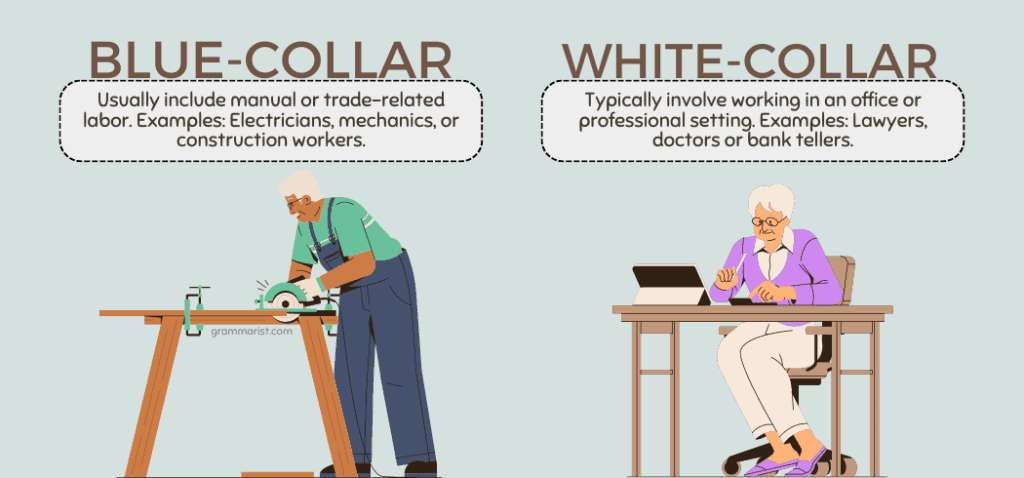 In the workforce, there are distinct differences between blue-collar and white-collar work environments. Blue-collar jobs typically involve manual labor and are often associated with industries like construction, manufacturing, and transportation. On the other hand, white-collar jobs involve professional or managerial roles in fields such as finance, healthcare, and technology.
Roles and Responsibilities
- Blue-collar workers are usually involved in tasks that require physical labor, such as operating machinery, assembling products, or performing maintenance work.
- White-collar workers are responsible for tasks that are more knowledge-based, such as analyzing data, developing strategies, managing projects, and making decisions.
Challenges Faced by Employees
- Blue-collar employees often face physical strain and safety hazards in their work environments, leading to a higher risk of workplace injuries.
- White-collar employees may experience stress from demanding workloads, tight deadlines, and the pressure to perform at a high level consistently.
Wellbeing Strategies for Blue-collar Workers
 Working in physically demanding jobs can take a toll on both the physical and mental health of blue-collar workers. It is essential for these individuals to prioritize their wellbeing with specific strategies tailored to their unique work environments.
Physical Health Tips
Physical health is crucial for blue-collar workers to perform their jobs effectively and prevent injuries. Here are some tips to maintain physical wellbeing:
- Avoid lifting heavy objects improperly to prevent back injuries. Use proper lifting techniques and equipment when necessary.
- Stay hydrated throughout the workday, especially in hot environments, to avoid dehydration and heat-related illnesses.
- Take regular breaks to stretch and rest your muscles to prevent strains and fatigue.
- Eat a balanced diet rich in nutrients to fuel your body for the physical demands of your job.
Mental Health Practices
In addition to physical health, mental wellbeing is equally important for blue-collar workers facing high-stress situations. Here are some mental health practices to consider:
- Practice mindfulness techniques to stay present and focused during work hours, reducing anxiety and distractions.
- Seek social support from coworkers or friends to share experiences and alleviate feelings of isolation or stress.
- Engage in hobbies or activities outside of work to unwind and relax, promoting a healthy work-life balance.
Coping Mechanisms for Stress and Burnout
Dealing with stress and burnout is common in physically demanding jobs. Implementing coping mechanisms can help blue-collar workers manage these challenges effectively:
- Utilize deep breathing exercises or meditation techniques to calm the mind and reduce stress levels during high-pressure situations.
- Set realistic goals and priorities to avoid feeling overwhelmed by workload and deadlines.
- Take time off when needed to rest and recharge, preventing burnout and promoting overall wellbeing.
Wellbeing Strategies for White-collar Workers
The wellbeing of white-collar workers is crucial for maintaining productivity and overall satisfaction in the workplace. Implementing specific strategies can help promote physical health, mental wellbeing, and productivity among employees in sedentary office roles.Ergonomic Practices for Physical Health
One important aspect of promoting physical health in white-collar workers is through the implementation of ergonomic practices. This includes:
- Ensuring proper desk and chair height to maintain a neutral posture and reduce strain on the body.
- Using ergonomic accessories such as wrist rests and monitor stands to minimize the risk of repetitive strain injuries.
- Encouraging regular breaks to stretch and move around to prevent stiffness and improve circulation.
Mindfulness Techniques for Mental Health
Mental health is equally important in white-collar professions, and incorporating mindfulness techniques can help employees manage stress and improve focus. Some techniques include:
- Practicing deep breathing exercises to reduce anxiety and promote relaxation.
- Implementing short meditation sessions during breaks to clear the mind and enhance concentration.
- Encouraging mindfulness practices such as yoga or tai chi to promote overall mental well-being.
Time Management Strategies and Productivity Tips
Effective time management is essential for white-collar workers to stay organized and maximize productivity. Some strategies to enhance time management skills include:
- Creating a daily schedule or to-do list to prioritize tasks and allocate time efficiently.
- Utilizing time-tracking tools to monitor productivity and identify areas for improvement.
- Implementing the Pomodoro technique, which involves working in focused intervals with short breaks to maintain productivity levels.
Bridging the Gap: Common Wellbeing Strategies
In today's fast-paced work environment, it is crucial to implement universal wellbeing practices that can benefit both blue-collar and white-collar workers. By focusing on strategies that cater to the needs of all employees, companies can create a more inclusive and supportive workplace culture.Fitness Programs for Employees
Fitness programs are a popular wellbeing initiative in many companies, aimed at promoting physical health and wellness among employees. While blue-collar workers may benefit from more hands-on activities like group exercise classes or on-site gym facilities, white-collar workers may prefer activities such as yoga sessions or virtual fitness challenges. It is important for companies to offer a variety of fitness options to cater to the diverse preferences of their employees.Inclusive Wellbeing Initiatives
Companies like Google and Salesforce have been successful in implementing inclusive wellbeing initiatives for all employees. These initiatives include mindfulness workshops, mental health resources, and flexible work arrangements that accommodate different work styles. By prioritizing the holistic wellbeing of their employees, these companies have seen increased productivity, employee satisfaction, and retention rates.Closing Summary
The concluding paragraph provides a summary and last thoughts in an engaging manner
Expert Answers
What are some physical health tips for blue-collar workers?
Answer: Physical health tips for blue-collar workers include proper lifting techniques, staying hydrated, and taking regular breaks to avoid strain.
How can white-collar workers improve mental health in sedentary roles?
Answer: White-collar workers can improve mental health by practicing mindfulness, taking short breaks for movement, and maintaining a work-life balance.
What are some universal wellbeing practices that benefit both blue-collar and white-collar workers?
Answer: Universal wellbeing practices include promoting a supportive work culture, encouraging regular exercise, and providing resources for mental health support to all employees.

