

Exploring the Psychology of Employee Wellness Month: Why Recognition Matters, this introduction sets the stage for a deep dive into the importance of employee recognition in the workplace.
It will shed light on various aspects of employee wellness and how recognition plays a vital role in fostering a healthy work environment.
Introduction to Employee Wellness Month
 Employee Wellness Month is a dedicated time to focus on the well-being of employees within an organization. It aims to promote physical, mental, and emotional health among staff members, ultimately leading to a more positive and productive work environment.
 The Significance of Employee Wellness Month
Employee Wellness Month serves as a reminder to employers and employees alike of the importance of prioritizing well-being in the workplace. By dedicating a specific month to this cause, organizations can emphasize the value they place on their employees' health and happiness.- Encouraging healthy lifestyle choices such as exercise and nutrition.
- Providing resources and support for mental health issues.
- Promoting work-life balance through flexible scheduling or remote work options.
The Importance of Mental Health in the Workplace
Maintaining good mental health is crucial for overall well-being, and it significantly impacts an individual's performance at work. Recognizing and addressing mental health issues in the workplace can lead to reduced stress, increased job satisfaction, and higher productivity levels.- Implementing employee assistance programs for mental health support.
- Training managers to recognize signs of mental health concerns in their team members.
- Creating a stigma-free environment where employees feel comfortable seeking help.
The Impact of Recognition on Employee Wellness
Recognition plays a crucial role in enhancing employee wellness within organizations. When employees feel valued and appreciated for their contributions, it not only boosts their morale but also has significant psychological benefits.Psychological Benefits of Feeling Recognized
- Increased motivation and job satisfaction: Employees who receive recognition for their hard work are more likely to feel motivated to perform at their best and are generally more satisfied with their jobs.
- Enhanced self-esteem and confidence: Recognition reinforces a sense of worth and accomplishment in employees, leading to improved self-esteem and confidence in their abilities.
- Reduced stress and burnout: Feeling recognized and appreciated can help alleviate stress and prevent burnout, as employees feel supported and valued in their roles.
Effective Recognition Programs in Organizations
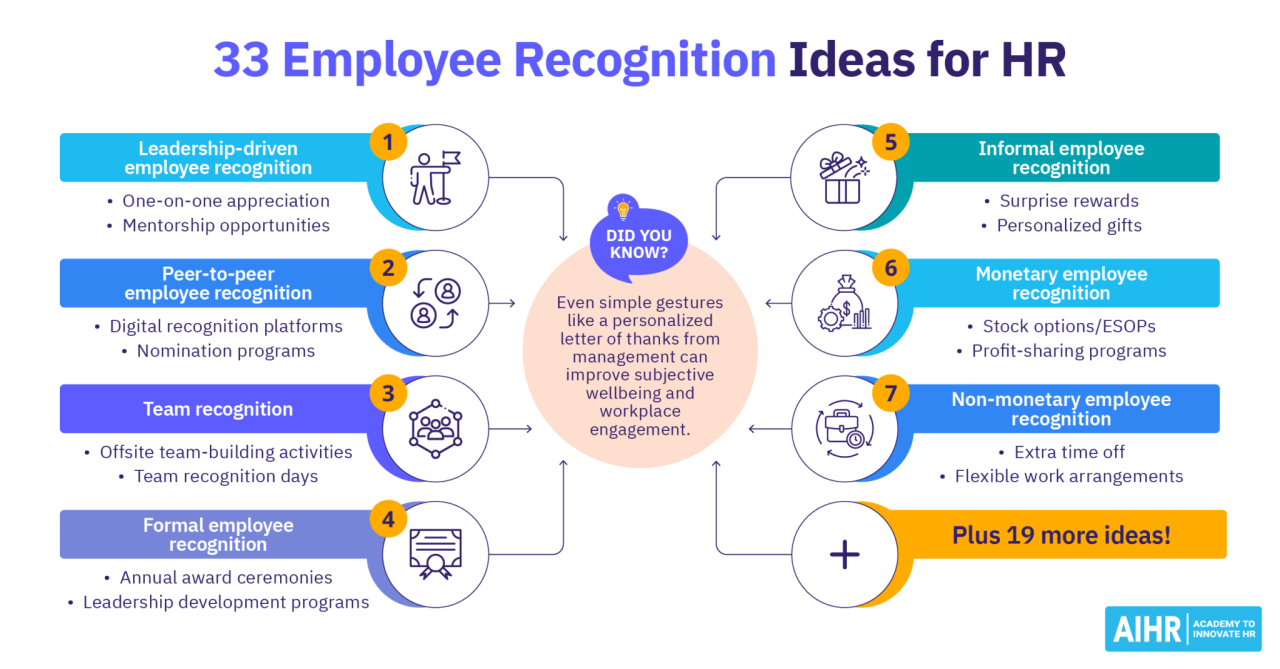
- Peer-to-peer recognition programs: Encouraging employees to recognize and appreciate each other's efforts can foster a positive and supportive work culture.
- Employee of the month/year awards: Recognizing outstanding employees through formal awards can boost morale and motivate others to excel in their roles.
- Personalized recognition: Tailoring recognition efforts to individual preferences and achievements can make employees feel more valued and appreciated.
Correlation between Recognition and Employee Engagement
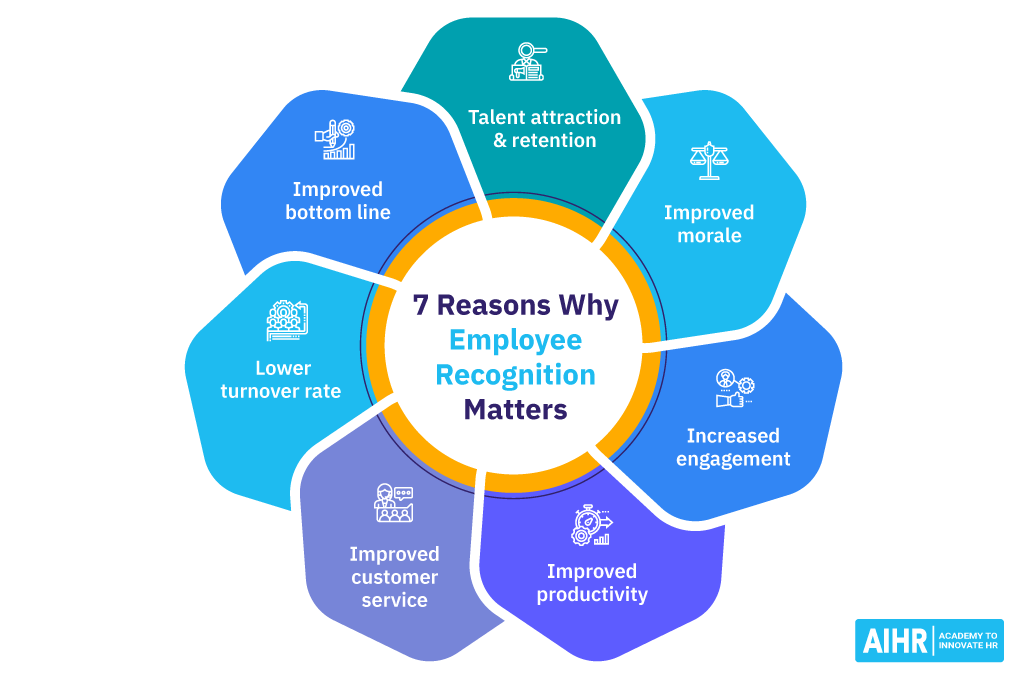
Recognition has a direct impact on employee engagement levels within an organization. When employees feel recognized for their contributions, they are more likely to be engaged, committed, and loyal to their work and the organization. This, in turn, leads to higher productivity, lower turnover rates, and a more positive work environment overall.Strategies for Implementing Recognition Programs
 Implementing a successful recognition program is crucial for promoting employee wellness and boosting morale in the workplace. Here are some key strategies to consider:
Designing and Implementing a Recognition Program
- Define clear objectives: Start by identifying the goals of your recognition program. What behaviors or achievements do you want to acknowledge?
- Involve employees: Get input from your team to ensure the program resonates with them. Their feedback can help tailor the program to fit the company culture.
- Choose meaningful rewards: Consider what incentives will motivate employees. Whether it's monetary rewards, extra time off, or public recognition, make sure the rewards are valued by your team.
- Establish a formal process: Create a structured system for recognizing and rewarding employees to ensure consistency and fairness.
Different Types of Recognition
- Peer-to-peer recognition: Encourage colleagues to appreciate each other's efforts, fostering a positive and supportive work environment.
- Leadership recognition: Acknowledge the contributions of managers and leaders in promoting a culture of appreciation and recognition.
Culture of Appreciation in the Workplace
- Lead by example: Managers should actively recognize and appreciate their team members to set a positive tone for the rest of the organization.
- Encourage frequent feedback: Regularly express gratitude and provide feedback to employees to show that their efforts are valued.
- Celebrate milestones: Recognize important milestones and achievements to keep employees motivated and engaged.
Sustaining Recognition Initiatives
- Integrate recognition into daily routines: Make appreciation a part of everyday interactions to maintain a culture of recognition beyond Employee Wellness Month.
- Evaluate and adjust: Monitor the effectiveness of your recognition program and make adjustments based on feedback and results to ensure its sustainability.
Measuring the Success of Recognition Programs
Employee recognition programs are essential for boosting morale, productivity, and overall well-being in the workplace. However, it is equally important to measure the effectiveness of these programs to ensure they are truly making a positive impact. Let's explore key ways to measure the success of recognition programs.Key Performance Indicators for Evaluating Recognition Programs
- Employee Engagement Levels: Monitor changes in employee engagement levels before and after implementing recognition programs to gauge their impact.
- Retention Rates: Track employee turnover rates to see if recognition initiatives are contributing to higher retention.
- Productivity Metrics: Measure changes in productivity levels to assess the efficiency of recognition programs.
Collecting Feedback from Employees on Recognition Initiatives
- Anonymous Surveys: Conduct surveys to gather honest feedback from employees about their experience with recognition programs.
- Focus Groups: Organize focus group discussions to delve deeper into employees' thoughts and suggestions regarding recognition initiatives.
- One-on-One Meetings: Schedule individual meetings with employees to receive personalized feedback on the effectiveness of recognition efforts.
Case Studies of Organizations with Effective Recognition Strategies
Company X implemented a peer-to-peer recognition program that resulted in a 20% increase in employee satisfaction within six months.
Long-Term Benefits of Investing in Employee Recognition
- Improved Employee Morale: Recognition leads to a positive work environment, boosting morale and motivation.
- Enhanced Employee Loyalty: Recognized employees are more likely to stay loyal to the organization, reducing turnover costs.
- Innovative Culture: Recognition fosters a culture of appreciation, encouraging employees to innovate and contribute positively to the company.
Outcome Summary
In conclusion, The Psychology of Employee Wellness Month: Why Recognition Matters highlights the key takeaways and emphasizes the significance of acknowledging and appreciating employees for their contributions.
FAQs
What is the significance of Employee Wellness Month?
Employee Wellness Month serves as a dedicated time to prioritize and promote the well-being of employees in the workplace.
How does recognition impact employee wellness?
Recognition boosts morale, enhances job satisfaction, and contributes to a positive work culture, all of which are essential for employee wellness.
What are some effective ways to implement recognition programs?
Designing clear recognition criteria, involving employees in the process, and ensuring consistency are key steps for successful implementation.
How can organizations measure the success of recognition programs?
Organizations can track metrics like employee engagement levels, retention rates, and feedback from employees to gauge the impact of their recognition initiatives.

