

Beginning with Corporate Health and Wellness for Manufacturers: Reducing Workplace Injuries, the narrative unfolds in a compelling and distinctive manner, drawing readers into a story that promises to be both engaging and uniquely memorable.
In today's fast-paced manufacturing industry, ensuring the health and wellness of employees is paramount to reducing workplace injuries and promoting a safe working environment. This article delves into the importance of corporate health programs, common workplace injuries, strategies for prevention, and ways to engage employees effectively.
Importance of Corporate Health and Wellness Programs for Manufacturers
Implementing health and wellness programs is crucial for reducing workplace injuries in manufacturing industries. By prioritizing the well-being of employees, companies can create a safer work environment and reduce the risk of accidents.Examples of Successful Corporate Health Initiatives
- Company A implemented regular ergonomic assessments and provided training on proper lifting techniques, leading to a significant decrease in musculoskeletal injuries among workers.
- Company B introduced on-site fitness classes and healthy eating options, resulting in improved physical health and reduced absenteeism due to illnesses.
- Company C established a mental health support program, including counseling services and stress management workshops, which boosted employee morale and reduced workplace stress-related incidents.
Impact of Promoting a Culture of Health and Safety
Promoting a culture of health and safety in manufacturing settings not only reduces workplace injuries but also enhances overall productivity and employee morale. When employees feel valued and supported in maintaining their health, they are more likely to be engaged in their work, leading to increased efficiency and job satisfaction.Common Workplace Injuries in Manufacturing
Manufacturing environments are prone to various types of workplace injuries due to the nature of the work involved. Understanding the most prevalent injuries and the factors contributing to them is crucial in implementing effective safety measures.Most Prevalent Types of Workplace Injuries
- Slips, trips, and falls: These accidents are common in manufacturing settings due to wet floors, cluttered walkways, or improper footwear.
- Struck by objects: Workers can get injured by falling objects, swinging equipment, or moving machinery.
- Repetitive strain injuries: Tasks that require repetitive motions can lead to musculoskeletal disorders over time.
- Machinery accidents: Operating heavy machinery or equipment without proper training or safety protocols can result in severe injuries.
Factors Contributing to Common Injuries
- Lack of proper training: Inadequate training on equipment operation and safety procedures can increase the risk of accidents.
- Unsafe working conditions: Poorly maintained equipment, lack of safety guards, and cluttered work areas can contribute to workplace injuries.
- Fatigue and stress: Long hours, high production demands, and stressful work environments can impair judgment and increase the likelihood of accidents.
Frequency and Severity Across Manufacturing Sectors
Different manufacturing sectors, such as automotive, food processing, and electronics, may experience varying frequencies and severity of injuries. Automotive manufacturing, for example, may have a higher risk of machinery accidents, while food processing facilities may see more slips and falls due to wet surfaces. Understanding these sector-specific risks is essential in developing targeted safety programs.Strategies for Preventing Workplace Injuries in Manufacturing
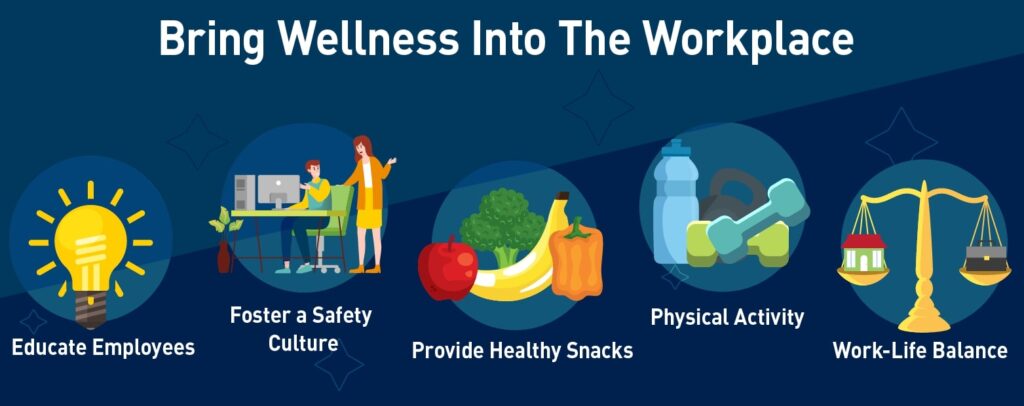
Creating a safe work environment in manufacturing facilities is crucial to prevent workplace injuries. Implementing effective safety protocols, providing comprehensive training programs, and utilizing engineering controls are essential strategies to reduce the risk of accidents.
Designing and Implementing Safety Protocols
When designing safety protocols for manufacturing processes, it is important to conduct a thorough risk assessment to identify potential hazards. These protocols should be specific to each manufacturing operation and clearly communicated to all employees. Regular safety audits and updates to protocols based on feedback and incident reports are also critical to maintaining a safe work environment
Role of Training Programs
Training programs play a key role in educating employees about injury prevention and safe work practices. These programs should cover topics such as proper equipment handling, ergonomics, hazard recognition, and emergency procedures. Ongoing training and refresher courses are necessary to ensure that all employees are up-to-date with the latest safety protocols.
Engineering Controls
Implementing engineering controls can significantly reduce the risk of accidents in manufacturing facilities. Examples of engineering controls include installing machine guards, implementing automated safety systems, and using ergonomic equipment to reduce strain on employees. Regular maintenance and inspection of these controls are essential to ensure their effectiveness.
Employee Engagement and Participation in Health and Wellness Programs
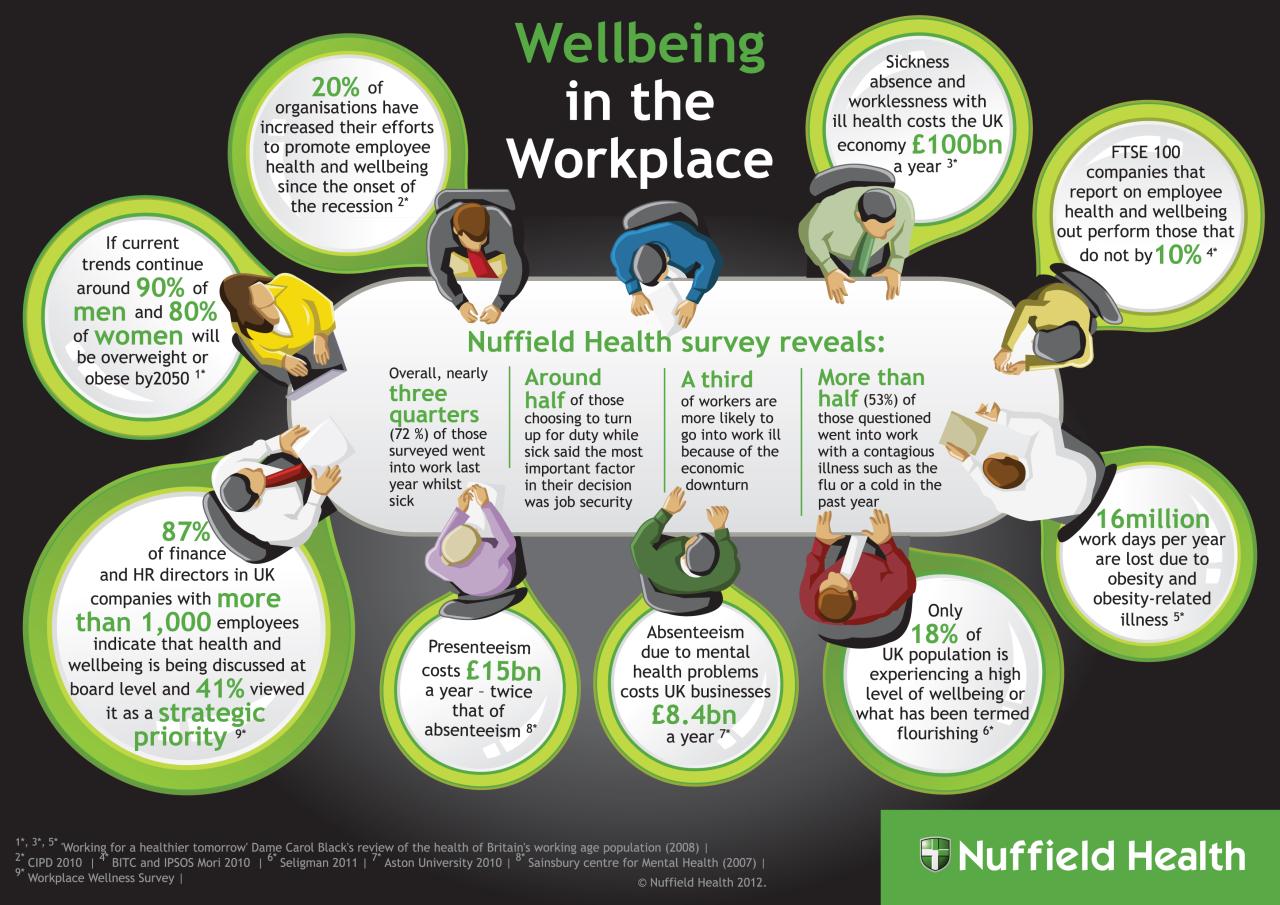 Employee engagement is crucial for the success of health and wellness programs in manufacturing settings. When employees actively participate in these initiatives, they are more likely to embrace a culture of safety and well-being in the workplace.
Methods for Encouraging Active Participation
- Provide incentives such as rewards or recognition for employees who actively engage in health and wellness activities.
- Offer flexible scheduling to accommodate participation in wellness events or programs.
- Encourage team-based challenges or competitions to make participation fun and engaging.
Benefits of Involving Workers in Program Design
- Employees have firsthand knowledge of workplace challenges and can provide valuable insights for effective program design.
- When workers are involved in the decision-making process, they feel valued and are more likely to commit to the program's success.
- Worker involvement fosters a sense of ownership, leading to a higher level of engagement and sustained participation.
Fostering a Sense of Ownership and Responsibility
- Empower employees to take ownership of their health and safety by providing education and resources to make informed choices.
- Encourage open communication and feedback channels to create a culture of shared responsibility for workplace safety.
- Recognize and reward employees who demonstrate a commitment to safety and wellness, reinforcing a culture of accountability.
Concluding Remarks
As we conclude our discussion on Corporate Health and Wellness for Manufacturers: Reducing Workplace Injuries, it becomes evident that prioritizing employee well-being not only reduces accidents but also boosts productivity and morale. By fostering a culture of safety and actively involving workers in health initiatives, manufacturers can create a safer and more efficient workplace for all.
Frequently Asked Questions
What are some successful examples of corporate health initiatives in manufacturing?
One notable example is Company X implementing regular ergonomic assessments and training sessions, resulting in a significant decrease in musculoskeletal injuries among employees.
How can manufacturing employees be encouraged to actively participate in health programs?
Engaging employees through incentives like wellness challenges, providing health education workshops, and involving them in decision-making processes can boost participation levels.
What are some effective engineering controls to reduce accidents in manufacturing facilities?
Examples include installing machine guards, implementing automated safety systems, and ensuring proper ventilation in work areas to minimize exposure to hazardous substances.

