

Embarking on the journey of Digital Transformation for Nonprofits: Marketing Strategies for Small NGOs opens up a world of innovative possibilities and impactful strategies. As technology continues to shape the landscape of nonprofit organizations, understanding how to leverage digital tools effectively becomes paramount for success in this digital age.
Importance of Digital Transformation for Nonprofits
Digital transformation is crucial for small NGOs as it allows them to reach a wider audience, increase efficiency, and improve their overall impact in the community. By embracing digital tools and strategies, nonprofits can streamline their operations, enhance communication with stakeholders, and attract more donors and volunteers.
Enhanced Outreach for Nonprofits
Digital transformation can enhance outreach for nonprofits in various ways:
- Utilizing social media platforms to engage with supporters and share impactful stories and updates.
- Implementing email marketing campaigns to reach a larger audience and keep donors informed about ongoing projects.
- Creating a user-friendly website that showcases the organization's mission, impact, and ways to get involved.
Impact of Digital Tools on Fundraising Efforts
Digital tools have revolutionized fundraising efforts for NGOs by:
- Enabling online donation platforms that make it easier for donors to contribute securely and conveniently.
- Utilizing data analytics to target potential donors more effectively and personalize fundraising appeals.
- Implementing crowdfunding campaigns that leverage social media networks to amplify outreach and attract new supporters.
Key Marketing Strategies for Small NGOs
Small NGOs often face challenges in reaching a wider audience and attracting support. Implementing effective marketing strategies is crucial for these organizations to increase visibility and engagement.
The Significance of a Strong Online Presence for Small Nonprofits
Having a strong online presence is essential for small NGOs to connect with supporters, donors, and volunteers in today's digital age. A well-designed website can serve as a central hub for information about the organization's mission, programs, and impact.
- Ensure the website is mobile-friendly and optimized for search engines to improve visibility.
- Include compelling storytelling, impactful visuals, and clear calls-to-action to engage visitors.
- Regularly update the website with fresh content, success stories, and testimonials to keep supporters informed and inspired.
The Role of Social Media in Promoting the Mission of NGOs
Social media platforms offer small nonprofits a cost-effective way to reach a larger audience, build relationships, and raise awareness about their cause.
Engage with followers by sharing impactful stories, behind-the-scenes glimpses, and interactive content to create a sense of community.
- Identify the most relevant social media channels where your target audience is active and tailor your content accordingly.
- Utilize social media ads and campaigns to amplify your reach and attract new supporters.
- Encourage user-generated content and foster meaningful conversations to build a loyal online community.
Effective Email Marketing Tactics for Nonprofit Organizations
Email marketing remains a powerful tool for small NGOs to communicate with donors, volunteers, and stakeholders on a more personal level.
- Segment your email list to deliver targeted messages based on donor interests, giving history, or engagement level.
- Craft compelling subject lines and personalized content to increase open rates and engagement.
- Use email automation to send timely updates, event invitations, and donation appeals without overwhelming your audience.
Leveraging Data and Analytics for Nonprofit Marketing
Utilizing data and analytics is crucial for nonprofits to make informed marketing decisions and optimize their strategies to reach their target audience effectively.
Key Performance Indicators (KPIs) for Nonprofit Marketing
When it comes to measuring the success of nonprofit marketing campaigns, several key performance indicators (KPIs) can provide valuable insights into the effectiveness of their efforts:
- Donation Conversion Rate: This KPI tracks the percentage of website visitors or leads that end up making a donation, indicating the effectiveness of the donation process.
- Engagement Metrics: Metrics such as website traffic, social media engagement, and email open rates can help nonprofits understand how well they are connecting with their audience.
- Retention Rate: This KPI measures the percentage of donors or supporters that continue to contribute or engage with the organization over time, indicating donor loyalty.
- Cost per Acquisition: Calculating the cost of acquiring a new donor or supporter can help nonprofits evaluate the efficiency of their marketing efforts.
Personalizing Communication with Donors and Supporters
By leveraging data and analytics, nonprofits can personalize their communication with donors and supporters to create more meaningful interactions and foster stronger relationships. Some ways NGOs can use data for personalization include:
- Segmentation: Dividing donors and supporters into specific segments based on their behavior, interests, or demographics allows nonprofits to tailor their messaging to each group's preferences.
- Personalized Content: Creating personalized content based on donor preferences, past interactions, or giving history can increase engagement and drive more meaningful connections.
- Triggered Emails: Using data triggers to send automated emails based on donor actions or milestones can help nonprofits stay connected with supporters and encourage continued engagement.
Building Partnerships and Collaborations in the Digital Space
Building partnerships and collaborations in the digital space can greatly benefit nonprofit organizations, especially small NGOs. These partnerships can help amplify the reach of the organization, increase awareness of their cause, and attract more supporters and donors. Let's delve into the strategies and benefits of forming partnerships in the digital realm.Forming Partnerships with Other Organizations
Forming partnerships with other organizations can open up new opportunities for collaboration and resource sharing. Some benefits include:- Access to a wider audience: Partnering with other organizations allows small NGOs to reach a larger and more diverse audience that they may not have been able to reach on their own.
- Pooling resources: Collaborating with other organizations can help in sharing resources, such as expertise, funds, and networks, leading to more impactful campaigns and projects.
- Building credibility: Partnering with reputable organizations can enhance the credibility and reputation of small NGOs, increasing trust among supporters and donors.
Collaborating with Influencers
Collaborating with influencers in the digital space can help small NGOs amplify their message and reach a wider audience. Strategies for collaborating with influencers include:- Identifying relevant influencers: Small NGOs should identify influencers whose values align with their mission and target audience to ensure authenticity and credibility.
- Engaging influencers authentically: Building genuine relationships with influencers and allowing them creative freedom can lead to more impactful collaborations and engagement.
- Measuring impact: It's essential to track and measure the impact of influencer collaborations to understand their effectiveness and optimize future partnerships.
Role of Cross-Sector Partnerships
Cross-sector partnerships involve collaborating with organizations from different sectors, such as corporate entities, government agencies, and academic institutions. The role of cross-sector partnerships in advancing the mission of nonprofits includes:- Access to diverse expertise: Partnering with organizations from different sectors can provide access to a wide range of expertise and resources that can help small NGOs address complex challenges.
- Increased impact: Cross-sector partnerships can lead to innovative solutions, increased visibility, and broader reach, ultimately amplifying the impact of nonprofit initiatives.
- Advocacy and policy influence: Collaborating with organizations from various sectors can help small NGOs advocate for policy change and influence decision-making at a higher level.
Last Point
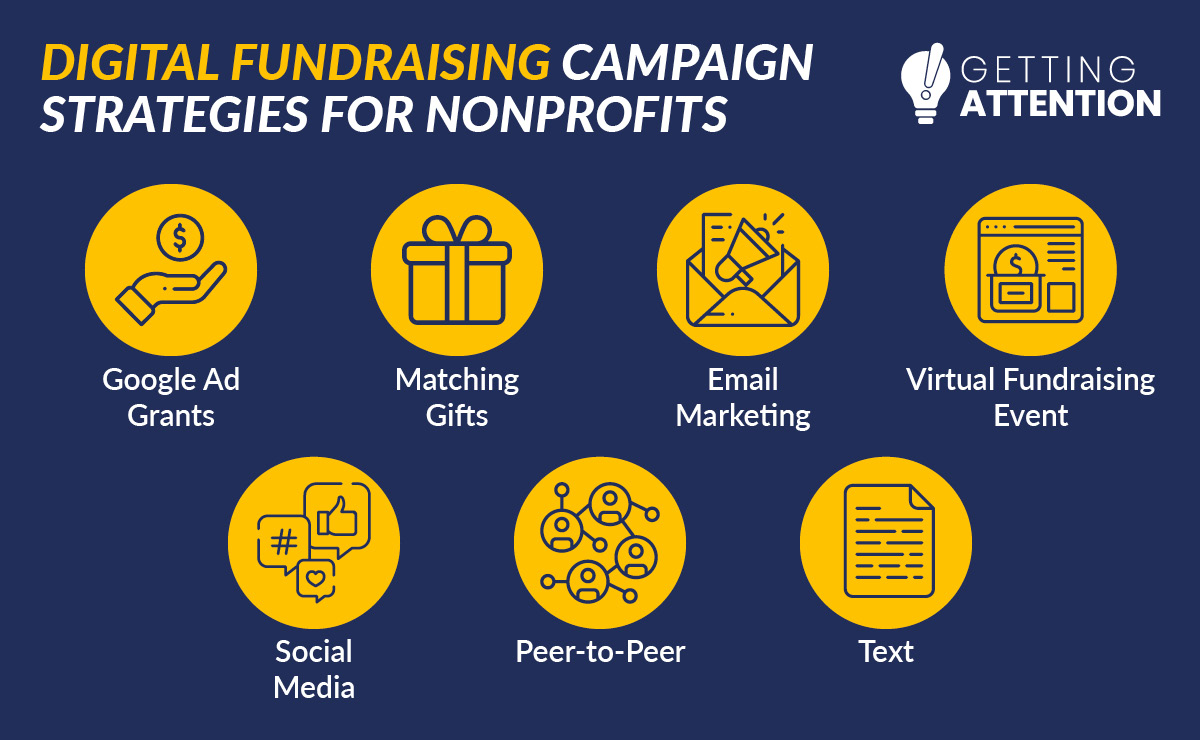
In conclusion, Digital Transformation for Nonprofits: Marketing Strategies for Small NGOs equips organizations with the tools and insights needed to thrive in a rapidly evolving digital environment. By embracing these strategies and staying attuned to emerging trends, nonprofits can amplify their reach, engage donors effectively, and further their mission with greater efficiency and impact.
Questions Often Asked
Why is digital transformation important for small NGOs?
Digital transformation is vital for small NGOs as it enables them to reach a wider audience, streamline operations, and enhance their impact through innovative digital strategies.
What are some effective email marketing tactics for nonprofit organizations?
Effective email marketing tactics for nonprofits include personalized messaging, segmentation based on donor interests, compelling subject lines, and clear calls to action.
How can nonprofits use data analytics to make informed marketing decisions?
Nonprofits can leverage data analytics to track donor behavior, measure campaign effectiveness, and optimize marketing strategies based on actionable insights.

