

When it comes to Well B Metrics: How to Present Wellness Data to Your Board of Directors, the key lies in effectively conveying vital information that drives decision-making. Let's explore the art of presenting wellness data in a compelling manner that resonates with the board's strategic vision.
This paragraph delves into the significance of wellness data presentation and the essential elements to captivate your audience.
Introduction to Wellness Data Presentation
Presenting wellness data effectively to the Board of Directors is crucial for showcasing the impact of wellness programs and initiatives within the organization. It provides valuable insights into the overall well-being of employees and can help drive strategic decision-making.
Key Elements in a Wellness Data Presentation
- Data Accuracy: Ensuring that the data presented is accurate and up-to-date is essential for building trust and credibility with the board.
- Visual Representation: Utilizing graphs, charts, and other visual aids can help convey complex wellness data in a more digestible format.
- Key Performance Indicators (KPIs): Highlighting specific KPIs related to wellness, such as employee engagement levels, health outcomes, and program participation rates, can provide a comprehensive overview of the organization's wellness efforts.
- Trends Analysis: Presenting trends over time can help the board understand the effectiveness of current wellness initiatives and identify areas for improvement.
The Importance of Clear Communication
Clear communication is crucial when presenting wellness data to the Board of Directors to ensure that complex information is easily understood. Using simple language, avoiding jargon, and providing context can help board members grasp the significance of the data presented and make informed decisions based on the insights provided.
Choosing the Right Metrics
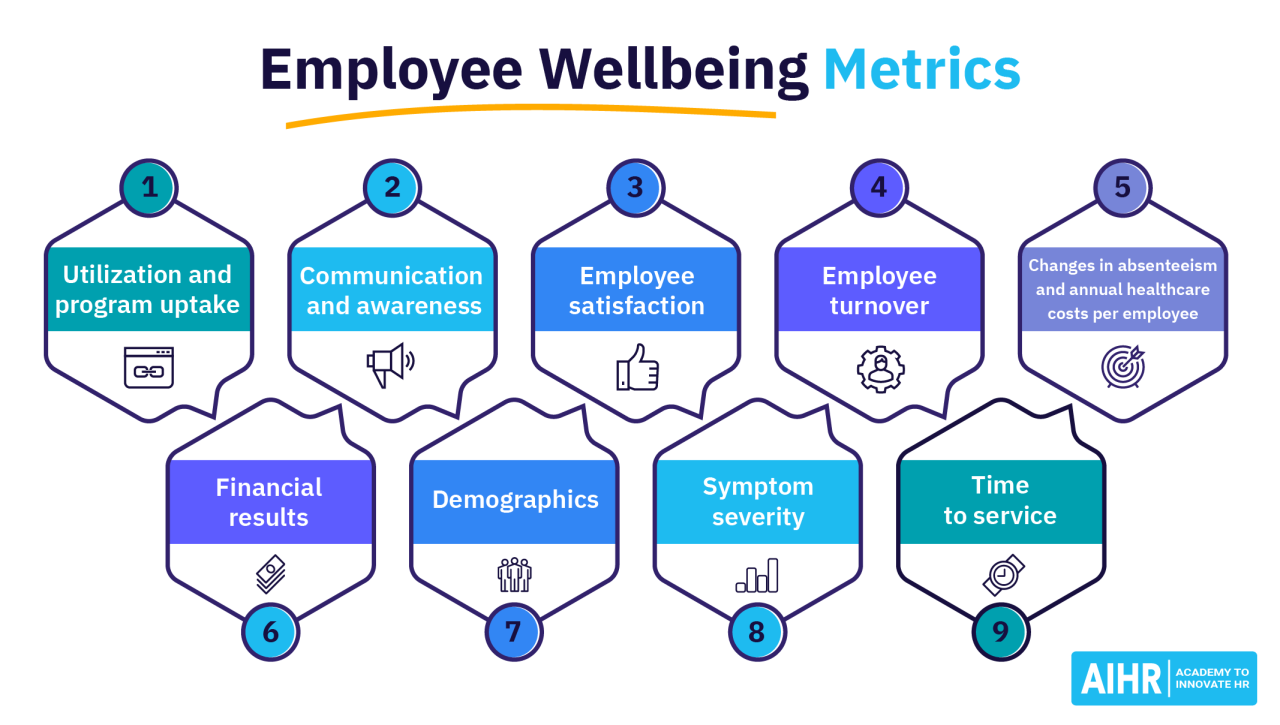
When presenting wellness data to the Board of Directors, it is crucial to choose the right metrics that provide valuable insights into the organization's overall well-being. Here, we will discuss the different types of wellness metrics that are relevant for the Board, how to align them with the organization's goals, and provide examples of commonly presented metrics.
Types of Wellness Metrics
- Physical Health Metrics: These include data on employee health screenings, biometric measurements, and overall fitness levels.
- Mental Health Metrics: Metrics related to stress levels, employee assistance program utilization, and mental health resource engagement.
- Engagement Metrics: Data on participation rates in wellness programs, employee feedback surveys, and engagement with wellness initiatives.
- Productivity Metrics: Metrics that assess the impact of wellness programs on productivity, absenteeism rates, and employee performance.
Aligning Metrics with Goals and Objectives
It is essential to select wellness metrics that directly align with the organization's goals and objectives. By understanding what the Board values most, you can tailor the metrics to demonstrate the impact of wellness initiatives on key performance indicators and strategic priorities.
Examples of Commonly Presented Wellness Metrics
- Employee Satisfaction Scores: Surveys measuring employee satisfaction with wellness programs and initiatives.
- Health Risk Assessments: Data on the prevalence of health risks among employees and the effectiveness of interventions.
- Participation Rates: The percentage of employees actively engaging in wellness activities and programs.
- Cost Savings: Financial data showcasing the return on investment of wellness initiatives through reduced healthcare costs and absenteeism.
Data Visualization Techniques
Effective data visualization techniques are crucial when presenting wellness data to the Board of Directors. Visual representations such as charts and graphs can help convey complex information in a clear and concise manner, making it easier for the board members to understand key trends and insights. Here are some best practices for creating visually appealing charts and graphs and using data visualization to effectively communicate wellness data.Utilize Simple and Clear Visuals
When creating charts and graphs, it is important to keep them simple and easy to understandChoose the Right Type of Visualization
Selecting the appropriate type of visualization is essential for effectively conveying the data to the board members. Whether it's a line chart to show trends over time, a bar graph to compare different metrics, or a pie chart to illustrate proportions, make sure to choose a format that best represents the information you want to communicate.Highlight Key Insights
Use data visualization to highlight key insights and trends in the wellness data. You can draw attention to significant changes, outliers, or correlations by emphasizing them in the visuals. Adding annotations, trend lines, or call-out boxes can help the board members quickly grasp the most important findings from the data.Tell a Story with Data
Create a narrative around the wellness data using data visualization. Arrange the charts and graphs in a logical sequence to guide the board members through the information and help them connect the dots between different data points. By presenting the data in a cohesive and storytelling manner, you can effectively convey the message and insights to the board.Interpreting and Analyzing Wellness Data
When presenting wellness data to the Board of Directors, it is crucial to interpret and analyze the information accurately to provide meaningful insights for decision-making.Explaining the importance of analyzing trends and patterns in wellness data:Identifying Trends and Patterns
- Look for recurring patterns or trends in the data over time.
- Identify any correlations between different wellness metrics.
- Pay attention to outliers that may indicate areas needing further investigation.
Key Insights for the Board of Directors
- Focus on presenting actionable insights that can drive strategic decisions.
- Highlight areas of improvement and success based on the data.
- Provide comparative analysis to benchmark current wellness initiatives against industry standards.
Ultimate Conclusion
In conclusion, mastering the art of presenting wellness data to your Board of Directors is not just about numbers and graphs - it's about telling a story that influences positive change. By following the right metrics, visualization techniques, and data interpretation strategies, you can empower your board to make informed decisions that prioritize well-being.
Frequently Asked Questions
How can I ensure my wellness data presentation is effective?
To make your wellness data presentation effective, focus on clear communication, relevant metrics, and engaging data visualization techniques.
What are some common wellness metrics presented to the Board of Directors?
Common wellness metrics include employee participation rates, health outcomes, and return on investment for wellness programs.
Why is data visualization important in presenting wellness data?
Data visualization helps convey complex information in a simple, understandable manner, making it easier for the board to grasp key insights.

