

Predictive Analytics in Corporate Health and Wellness: The Next Frontier sets the stage for this enthralling narrative, offering readers a glimpse into a story that is rich in detail with a casual formal language style and brimming with originality from the outset.
Exploring the potential benefits of incorporating predictive analytics in corporate wellness programs opens up a world of possibilities for improving employee well-being and organizational success.
Introduction to Predictive Analytics in Corporate Health and Wellness
Predictive analytics in the context of corporate health and wellness involves utilizing data, statistical algorithms, and machine learning techniques to identify patterns and predict future outcomes related to employee well-being. By analyzing historical data and trends, organizations can anticipate health risks, personalize interventions, and optimize wellness programs for employees.Importance of Leveraging Predictive Analytics for Employee Well-being
Predictive analytics plays a crucial role in proactively managing employee health by identifying potential health issues before they escalate. This proactive approach enables organizations to implement targeted interventions, promote preventive care, and ultimately improve the overall well-being of their workforce.- Early Detection of Health Risks: Predictive analytics can identify early warning signs of health issues, allowing employers to intervene promptly and provide necessary support to employees.
- Personalized Wellness Programs: By analyzing individual employee data, organizations can tailor wellness programs to meet the specific needs of each employee, leading to higher engagement and better health outcomes.
- Cost Savings: By predicting health risks and promoting preventive measures, organizations can reduce healthcare costs associated with chronic conditions and absenteeism.
Potential Benefits of Incorporating Predictive Analytics in Corporate Wellness Programs
Integrating predictive analytics into corporate wellness programs can yield a wide range of benefits for both employees and employers. From improving health outcomes to enhancing productivity, predictive analytics has the potential to revolutionize the way organizations approach employee well-being.- Enhanced Risk Management: Predictive analytics enables organizations to identify and mitigate health risks, reducing the likelihood of costly medical emergencies and long-term health issues.
- Increased Employee Engagement: Personalized wellness programs based on predictive analytics data can boost employee engagement and motivation towards improving their health and well-being.
- Data-Driven Decision-Making: By leveraging predictive analytics, organizations can make informed decisions about wellness program design, resource allocation, and overall health strategy based on data-driven insights.
Applications of Predictive Analytics in Corporate Health and Wellness
Predictive analytics plays a crucial role in revolutionizing corporate health and wellness programs by leveraging data to make informed decisions and drive positive outcomes for employees.Improving Employee Health Outcomes
- Predictive analytics can analyze historical health data to identify patterns and trends, allowing companies to predict and prevent potential health issues.
- By using predictive models, organizations can personalize wellness programs based on individual employee needs and preferences, leading to improved engagement and better health outcomes.
- Real-time monitoring of employee health data can help in early detection of health risks and prompt interventions to prevent illnesses, ultimately enhancing overall well-being.
Enhancing Decision-Making Processes in Wellness Initiatives
- Data-driven insights from predictive analytics provide valuable information for designing and optimizing wellness programs that are tailored to meet the specific needs of employees.
- By analyzing employee behavior and preferences, companies can create targeted interventions that are more likely to be effective in promoting healthy habits and lifestyle changes.
- Predictive analytics can also help in evaluating the impact of wellness initiatives over time, allowing organizations to make data-driven decisions for continuous improvement.
Identifying Health Risks and Preventing Illnesses in the Workplace
- Through predictive analytics, companies can proactively identify employees at higher risk for certain health conditions and provide them with targeted interventions to prevent illnesses.
- By analyzing various data sources such as biometric data, claims data, and employee surveys, organizations can create a comprehensive health risk profile for each employee, enabling early intervention and prevention strategies.
- Utilizing predictive models can help in predicting future health outcomes and trends, allowing companies to implement preventive measures and wellness programs that address potential health risks before they escalate.
Implementing Predictive Analytics in Corporate Wellness Programs
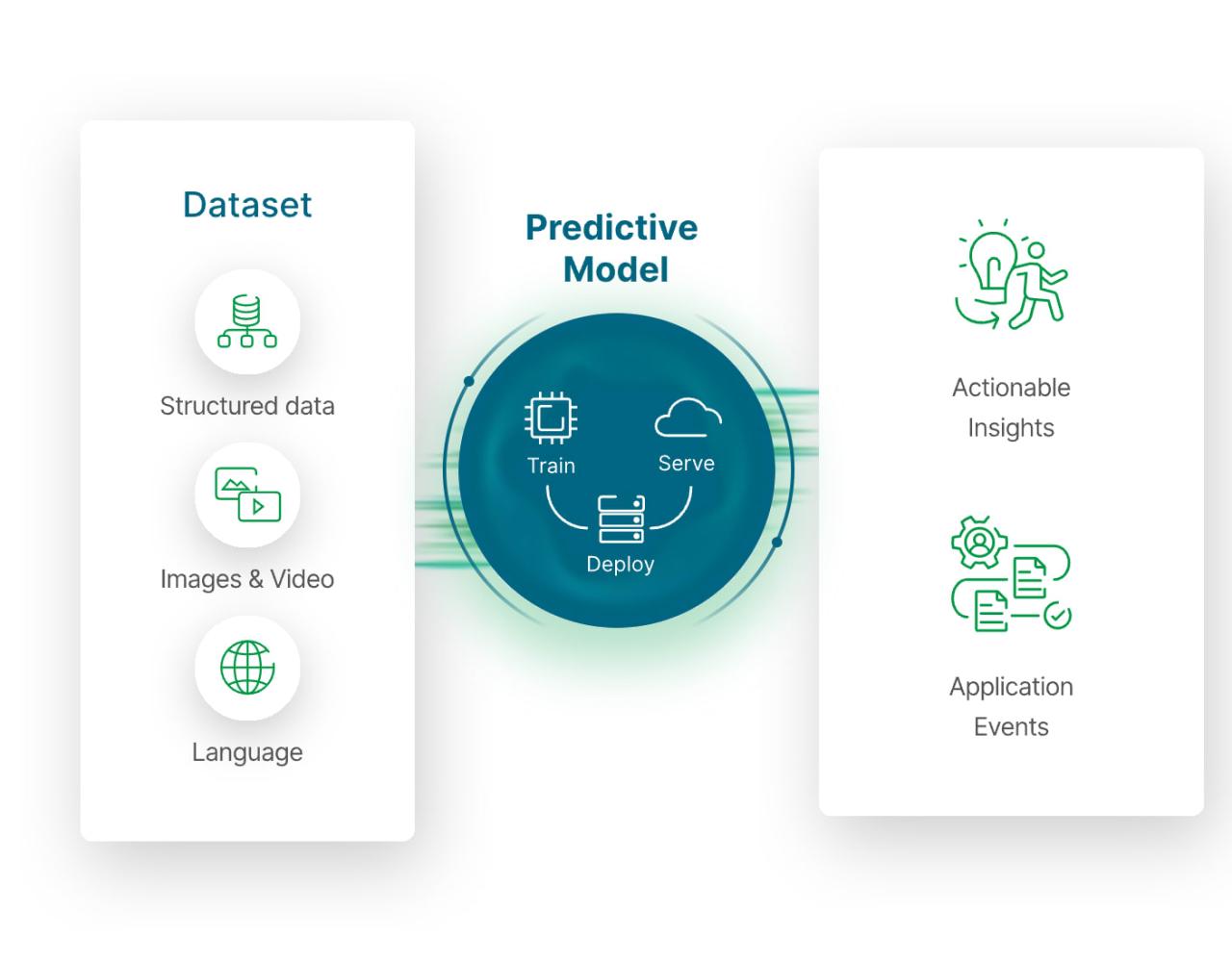
Integrating predictive analytics into corporate wellness programs can revolutionize the way organizations approach employee health and wellness. By leveraging data-driven insights, companies can proactively address health issues and tailor interventions to individual needs.
Steps to Integrate Predictive Analytics into Existing Corporate Wellness Strategies
When incorporating predictive analytics into corporate wellness programs, organizations should follow these key steps:
- Identify Objectives: Clearly define the goals of the wellness program and how predictive analytics can support them.
- Data Collection: Gather relevant data from various sources such as health assessments, biometric screenings, claims data, and employee surveys.
- Data Analysis: Utilize data analytics tools to identify patterns, trends, and potential health risks among employees.
- Implement Interventions: Develop personalized wellness interventions based on predictive insights to address health issues proactively.
- Continuous Monitoring: Regularly evaluate the effectiveness of interventions and adjust strategies based on new insights.
Challenges Organizations May Face When Implementing Predictive Analytics in Wellness Programs
While the benefits of predictive analytics in corporate wellness are substantial, organizations may encounter challenges such as:
- Data Quality: Ensuring the accuracy and reliability of data sources can be a significant hurdle in generating actionable insights.
- Privacy Concerns: Safeguarding employee data and adhering to data privacy regulations while utilizing predictive analytics is crucial.
- Employee Engagement: Encouraging active participation and engagement in wellness programs to obtain meaningful data for analysis.
- Integration with Existing Systems: Seamlessly integrating predictive analytics tools with existing HR and wellness platforms can be complex.
Best Practices for Collecting and Analyzing Data to Drive Effective Wellness Interventions
Organizations can enhance the success of their wellness programs by following these best practices in data collection and analysis:
- Utilize Multiple Data Sources: Combine data from various sources to gain a comprehensive view of employee health and wellness.
- Employ Data Visualization Tools: Use dashboards and visualizations to communicate insights effectively and make data-driven decisions.
- Implement Predictive Modeling: Leverage predictive modeling techniques to forecast future health outcomes and tailor interventions accordingly.
- Focus on Actionable Insights: Prioritize actionable insights that can drive meaningful changes in wellness program strategies and interventions.
Ethical Considerations in Utilizing Predictive Analytics for Employee Health
Predictive analytics in corporate health and wellness programs can bring about numerous benefits, but it also raises important ethical considerations that must be carefully addressed. As organizations harness the power of data to predict and prevent health issues among their employees, it is crucial to examine the ethical implications of such practices.Privacy Concerns and Data Security
Ensuring the privacy and security of employee health data is paramount when implementing predictive analytics in corporate wellness programs. Employers must establish clear policies and procedures to safeguard sensitive health information from unauthorized access or misuse. It is essential to comply with relevant data protection regulations and industry standards to maintain the confidentiality of employee data.- Implement robust data encryption measures to protect health data from cyber threats.
- Limit access to health data to authorized personnel only and regularly audit data access logs.
- Obtain explicit consent from employees before collecting and analyzing their health information.
- Anonymize and aggregate data to ensure individual privacy while still deriving valuable insights.
Transparency and Trust
To build and maintain trust among employees, organizations must be transparent about the use of predictive analytics in monitoring their health. Clear communication about the purpose, methods, and potential outcomes of data analysis can help alleviate concerns and foster a culture of trust within the workplace.- Provide employees with information about the types of data collected, how it will be used, and who will have access to it.
- Offer opportunities for employees to ask questions and express their concerns about data privacy and security.
- Establish channels for feedback and dialogue to address any ethical issues or misconceptions related to predictive analytics.
- Regularly review and update data privacy policies to reflect changing regulatory requirements and best practices.
Conclusion
In conclusion, the journey through Predictive Analytics in Corporate Health and Wellness: The Next Frontier unveils a realm of opportunities for organizations to revolutionize their approach to employee health and well-being through data-driven strategies.
FAQ Corner
How can predictive analytics benefit corporate wellness programs?
By utilizing predictive analytics, organizations can proactively identify health risks, personalize wellness interventions, and ultimately improve employee well-being.
What challenges might organizations face when implementing predictive analytics in wellness programs?
Some challenges include data privacy concerns, integrating analytics into existing strategies, and ensuring the accuracy of predictions for effective decision-making.
How can organizations maintain trust while using predictive analytics in corporate wellness?
Organizations can maintain trust by being transparent about data usage, ensuring data security, and demonstrating the positive impact of predictive analytics on employee health outcomes.

